

Over the last decades, it has become increasingly clear that anthropogenic climate change poses an immense threat not only to ecosystems, but also to human societies. Agriculture and food systems are among the sectors that are most affected. Droughts, soil erosion, forest fires, floods, and extreme weather events deeply affect farming and food production. While small-scale farming in the Global South is threatened in its existence in many locales, food production is obstructed worldwide by climatic extremes, as California’s extreme droughts in 2014/15 have illustrated. Paradoxically, farming is also a major contributor to greenhouse gas emissions. Overuse of fertilizers, land-use change, mechanization, and animal husbandry all contribute to climate change.
Table of Contents
Editorial

|
Hartmut Graßl
|
5-7
|
Research Articles
|
Sakirat M. Shuaibu, John A. Ogbodo, Ejiet J. Wasige, Sani A. Mashi
|
8-18
|
|
Sarah Austin Casson
|
19-30
|
|
Jason Edward Rowntree, Rebecca Ryals, Marcia DeLonge, W. Richard Teague, Marilia Chiavegato, Peter Byck, Tong Wang, Sutie Xu
|
31-38
|
|
Aziz Elbehri, Ahmad Sadiddin
|
39-54
|
|
Ibnu BUDIMAN, Takeshi Takama, Laksmi Pratiwi, Erwin Soeprastowo
|
55-68
|
News
|
News in Short
Editorial Staff
|
69-70
|
Reports and Analyses
|
Aiperi Otunchieva
|
71-72
|
|
Robert C. Brears
|
73-74
|
Alternative Views
|
Marina Diefenbach Goulart
|
75-77
|
Reviews
|
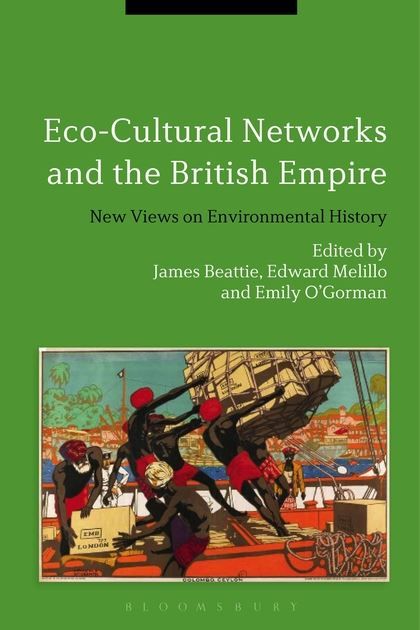
Eco-Cultural Networks and the British Empire. New Views on Environmental History
Sören Köpke
|
78
|
|
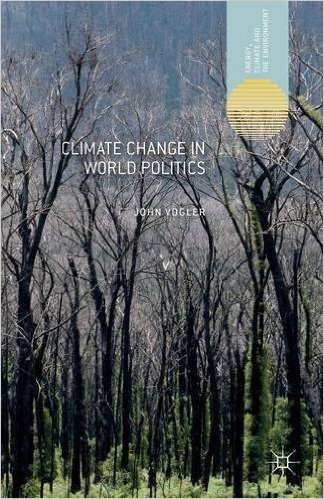
Climate Change in World Politics
Jessica Lucinda Amprako
|
79-80
|
Announcements
|
Volume 5 Number 3 (Summer 2017)
|
81
|