Category Archives: Water

Summaries from the Research Articles – “Water for Food” Vol. 2 Nr. 1 (Summer 2014)

Scholarly communication has evolved over the centuries as technology has made it easier to promote and discuss ideas. Printing has overtaken hand-written documents; edited journals have overtaken monographs; and international conferences have overtaken national gatherings. These blog posts follow in that same tradition — presenting ideas in a more accessible format, to a larger audience. We hope that these posts inform you of their author’s research findings and invite you to give your thoughts on the posts or the articles that inspired them. Please join with your comments in this forum.

Dr. David Zetland*

- Guest Editor in the Summary Section-
Assistant Professor, Economics
Leiden University College
The Netherlands

* Member of the Editorial Board, Future of Food: Journal on Food, Agriculture and Society

Summary 1 (Vol. 2 Nr. 1 – Summer 2014)

Connecting the Water and Carbon Cycles for the Generation of Food Security and Ecosystem Services

by Shivaan Burke and Raul Poncé-Hernandez,

Water scarcity remains one of the primary driving forces behind poverty, especially in the developing world. Largely a problem of distribution exacerbated by the poor’s lack of social power and access to resources, water scarcity contributes to many symptoms of poverty, the most critical of which is food insecurity (Ahmad, 2003). The main cause of water scarcity is the uneven distribution of fresh water resources, compounded by inefficient water use, pollution of threatened water resources and unsustainable waste and resource management.

Poverty is more prevalent in the developing world and, in countries and regions with arid and semi-arid climates, water scarcity acts as the main limiting factor in biomass production, which contributes to lower crop yields and food insecurity. A paradigm for the connection between the water and the carbon cycles is illustrated in this paper through the study of an irrigated, peri-urban agroforestry system at “La Huerta” in Texcoco, Mexico, a semi-arid area in South Central Mexico. The WaNuLCAS model (a model of Water, Nutrient and Light Capture in Agroforestry Systems, Van Noordwijk et al, 2011) is used to simulate the growth of crops and trees in an agroforestry system using the site conditions observed at La Huerta for model parameterization. Interactions taking place within the agroforestry system that are most influential include shading by trees, competition for water and nutrients in topsoil, increased nitrogen availability to crop roots and long term effects on soil organic matter, erosion and soil compaction. Emphasis is placed on below-ground interactions where competition for water and nutrients is based on the effective root length densities of trees and crops and demand by both plant components (Van Noordwijk et al, 2011). In order to simulate waste water irrigation conditions at the agroforestry site reference values for water quality in the nearby Rio Texcoco were used for nutrient input values (Vazquez et al, 2007).

Water from the Rio Texcoco is commonly used for irrigation of adjacent agricultural crops but is not transported to agroforestry systems in the region. The performance of the systems in terms of carbon accrual (g/m2) is compared based on a number of above- and below-ground carbon pools, namely: soil organic matter (SOM), tree biomass, harvested crop biomass, total carbon stocks and the resultant global warming effect of the entire system. Modelling results show a much greater, even erratic variability in biomass accrual under conditions of water scarcity. Under waste water irrigation the production of biomass, SOM and crop yields not only increases, but is also more sustained throughout the simulation period. As the agroforestry system matures these increases, relative to the rain fed scenario, become more significant. By increasing crop yields this type of land-use management improves food security at the household and community level, while offering farmers the opportunity to sell surplus goods at market to supplement household income. While the sale of farm goods is the most common method of farm income generation the production of ecosystem services, namely carbon sequestration, is a tangible way for farmers to diversify their income while improving the production performance of their farm (Wise and Cacho, 2007). The results in this paper show clearly that enhanced food security and increased global warming mitigation can be synergistically achieved by connecting the water cycle to the carbon cycle using waste water irrigated agroforestry systems. While agricultural intensification and mechanisation can achieve increased crop yield in a monocropping system, indigenous agroforestry systems take advantage of the natural and successional variability of an area to generate a sustained and diverse array of products (Alcorn, 1990). In this way, agroforestry as a small-scale farming practice can help to maximize resource use efficiency with respect to scarce natural resources (i.e. water, land, soil nutrients). This paper demonstrates that the water and carbon cycles can be effectively and efficiently connected to advantage, and that such systems can materialize, even under various conditions of water scarcity.

Read full research paper at http://fofj.org/index.php/journal/article/view/87

Uniform Resource Name Code urn:nbn:de:hebis:34-2014062645548

Photo credit :-Sisira Withanachchi


Summary 2 (Vol. 2 Nr. 1 - Summer 2014)

Climate-adaptive Community Water Management for Food Security: Experiences from the UNDP Community Water Initiative

by Sulan Chen, Katharina Davis

Facing the double menace of climate change threats and water crisis, poor communities are now encountering ever more severe challenges in ensuring agricultural productivity and food security. Hence, communities have to manage these challenges by adopting a comprehensive approach that not only enhances water resource management, but also adapts agricultural activities to climate variability. Implemented by the Global Environment Facility’s Small Grants Programme, the United Nations Development Programme (UNDP) Community Water Initiative (CWI) has adopted a distinctive approach to support demand-driven, innovative, low cost and community-based water resource management for food security.

This paper shows that a grassroots-level programme such as the CWI can be an effective way to address the complex interconnections between water, climate, and agriculture in rural communities. The success stems from the custom-tailored design of local water management solutions, which take into account the specific context in which the community operates and uses water. Four cases of community-based water management for agriculture are presented and analysed for future learning and replication. The first case shows how the Pollattawa village near the Sigirya World Heritage Site in Sri Lanka revitalized an ancient irrigation scheme by combining it with modern technologies. This has enabled the community to replenish the watershed area, develop traditional farming and expand into alternative livelihood activities through the sale of agricultural products. In Mauritania, a community project created safe and sustainable drinking water sources in a pastoral community. A number of mini-dams and rock lines on the gently sloping land were constructed to conserve water and soil and promote the recharging of groundwater. Two wells were rehabilitated and two new wells were constructed, which improved domestic and agricultural water use. Newly built troughs for the animals improved watering for the animals and hygienic conditions within the community.

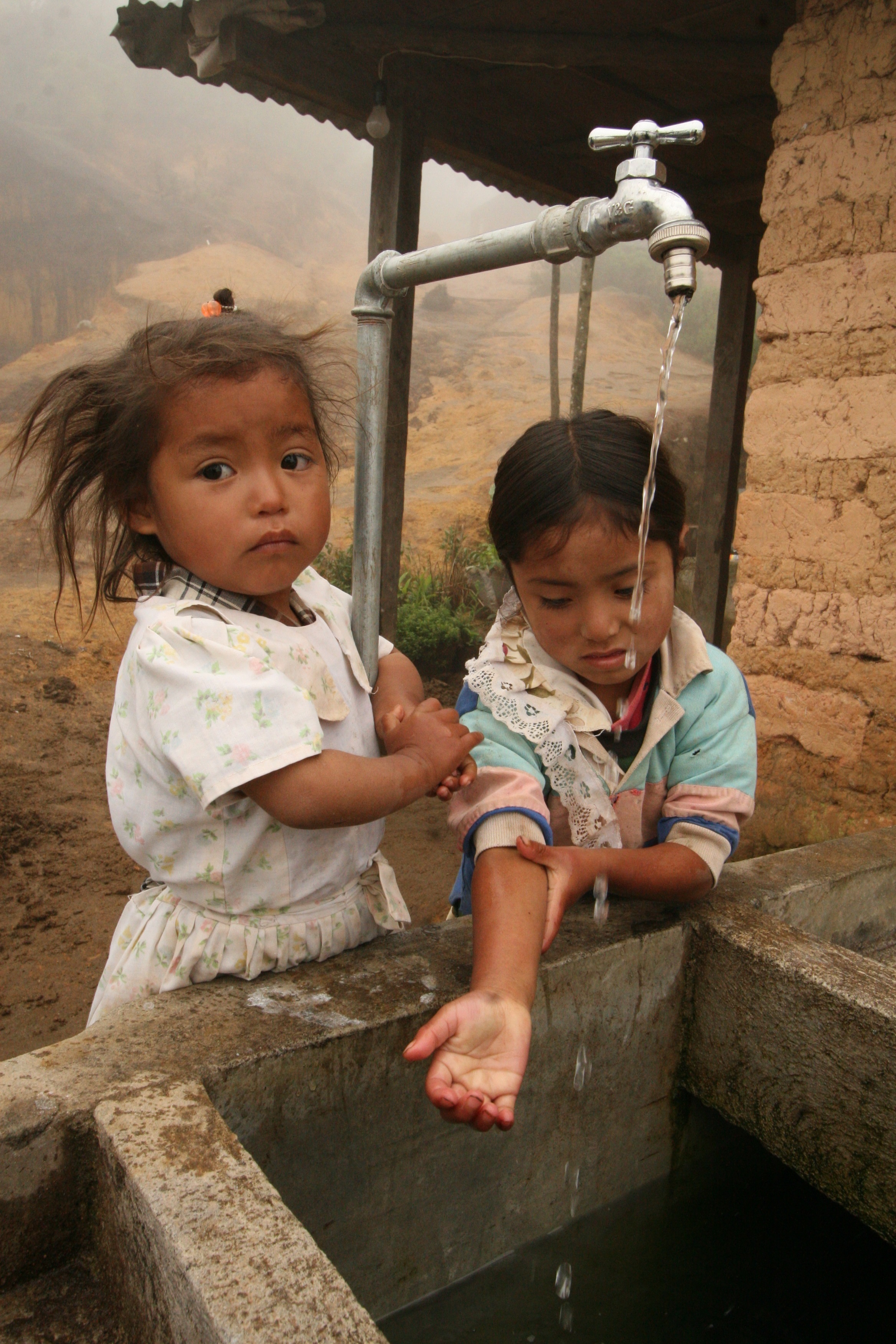
A CWI project in the highlands of Guatemala, implemented a gravity-fed water scheme by tapping four local springs, supplying drinking water to all households in the community. In addition, soil preservation and reforestation activities contributed to the rehabilitation of the local watershed area. Improved availability of water allowed the community to grow enough food to move beyond subsistence and sell the surplus on the local market. And finally, in a small village in south-western Mali, a CWI project supported a community in rehabilitating a dam to overcome devastating water shortages. By expanding the initial small dam and increasing the storage capacity, the community achieved sustainable access to water and expand farming activities into counter-seasonal gardening, which boosted local food security.As these cases have illustrated, experiences from CWI show that a comprehensive, locally adapted approach that integrates water resources management, poverty reduction, climate adaptation and community empowerment provides a good model for food security and sustainable development in poor rural areas.

Read full paper at http://fofj.org/index.php/journal/article/view/99

Uniform Resource Name Code urn:nbn:de:hebis:34-2014062645552

Photo credit:- Sulan Chen, Katharina Davis


Summary 3 (Vol. 2 Nr. 1 – Summer 2014)

Wastewater Treatment Project for Palma Soriano, Cuba: Assessment of Cultural and Ecological Conditions

by Daniela Pena Corvillon

The Palma Soriano’s Wastewater Treatment Project is a proposal to use cultural identity as a trigger to reverse ecological degradation. The research methodology draws from environmental, social and urban analyses to unveil the best strategy to address the ecological, river restoration, agricultural, and water treatment challenges in Palma Soriano, southeast Cuba. This article explores some of the dilemmas that arise when the human need for water quality and food overpowers the ability of the natural ecosystem to support the demands. The primary objectives are to provide a better quality of life and to create new opportunities for the local community to reconnect with natural cycles of water and the cultivation of their own land. The research shows that stopping the processes of desertification combined with forest restoration of the upper of the Cauto River, where Palma Soriano is located, is critical to the achievement of these objectives. The research is presented in the context of ecological design – an emerging framework for re-envisioning the built environment in terms that encourage the dynamic, positive, and mutually beneficial interaction between humans and the ecological world (Mozingo, 1997).

The research project promotes the strength and capacity of local people to protect their own environment by proposing a community-based master plan for public spaces, cultivation areas, new sanitary and storm water treatment infrastructure, and restored natural landscapes on the Cauto River. It is also a proposal for re-imagining the complex web of interactions among people, the built human environment, community identity, urban agriculture, and the supporting natural ecosystem. The project includes natural wastewater treatment, reforestation, community urban agriculture and a public commons along the river. This project will produce healthy water recycling, provide a potable water source for the city, encourage ecological restoration of the riparian zone, and provide new opportunities for food production. In order to achieve such a solution, this paper first identifies a potential community and environmental problem. Second, it develops an analysis of the area and recognizes the main problem. Third, it presents an integral solution of the problem. And finally discuss this specific project in relation with a global context, and evaluate the solution proposed as a solution for other areas that have affected by similar social and environmental injustices. The research project also uses a socio-metabolic perspective on the “end of the pipe” issues of water quality and social disadvantage (Martinez-Alier et al., 2010), understanding “social metabolism” as the manner in which human societies organize their exchanges of materials and energy with the environment (Fischer-Kowalski, 1997; Martinez-Alier, 2009). It is a solution that can take over essential and humanistic ways of connection between humans and their environment. In this way, water management, and specifically wastewater treatment, would be a solution to bringing together communities reclaiming a clean environment, and promoting a respectful and conscience social metabolism of exchanges with the environment (Fischer-Kowalski, 1997; Martinez-Alier, 2009).

Read full research paper at http://fofj.org/index.php/journal/article/view/66

Uniform Resource Name Code urn:nbn:de:hebis:34-2014062645560

Photo credit:- Daniela Pena Corvillon


Summary 4 (Vol. 2 Nr. 1 – Summer 2014)

Indigenous Knowledge (IK) of Water Resources Management in West Sumatra, Indonesia

by Wahyudi David & Angelika Ploeger

Water scarcity is one of the most pressing development challenges of the early 21st century. Future generation seems to be those who at the end will have to bear the negative consequence due to the lower access to clean water. According to FAO, agricultural water withdrawal account for nearly 70 % or total global water demand. Clean Water demand management is defined as any actions that reduce the amount of water used or enable water to be used more efficiently. The interesting study about traditional water resources management was done at Padang Laweh Malalo (NPLM) in West Sumatera Indonesia. People in NPLM not only manage their water supply but adapted to the climate change as well. The study was conducted by using participatory rural appraisal (PRA) which is including observation and discussion with local people. The combination of in depth interview, life history, semi structure questionnaire and expert interview was implemented. The interesting result shows that the awareness of the people with the scarcity of water condition has allowed them to face these challenges with wisdom. Aia Adat (where as water controlled and regulate by custom) is one of their strategies to distribute the water fairly to the farmers. The general rule of this irrigation is water will flow from 6 pm – 6 am regularly to all farm land under supervision of kapalo banda (someone chosen by the community). There is a meeting among farmer before cultivation begins, to discuss which crop should be rotated and how much water is needed. Therefore, they have two kind of cultivation calendar; tahun gadang (fourteen month with three time harvest) and a regular calendar. The study may be helpful for other farmers to learn how local wisdom dealing with water scarcity. The improvement on water management system can be come from local knowledge without sophisticated technology.

Read full research paper at http://fofj.org/index.php/journal/article/view/82

Uniform Resource Name Code urn:nbn:de:hebis:34-2014062645576

Photo credit:- Tanti Ruwani (Flickr)


Summary 5 (Vol. 2 Nr. 1 – Summer 2014)

Water Resource Pollution and Impacts on the local livelihood: A case study of Beas River in Kullu District, India

by P. Ranjan Mishra and R.K Nadda

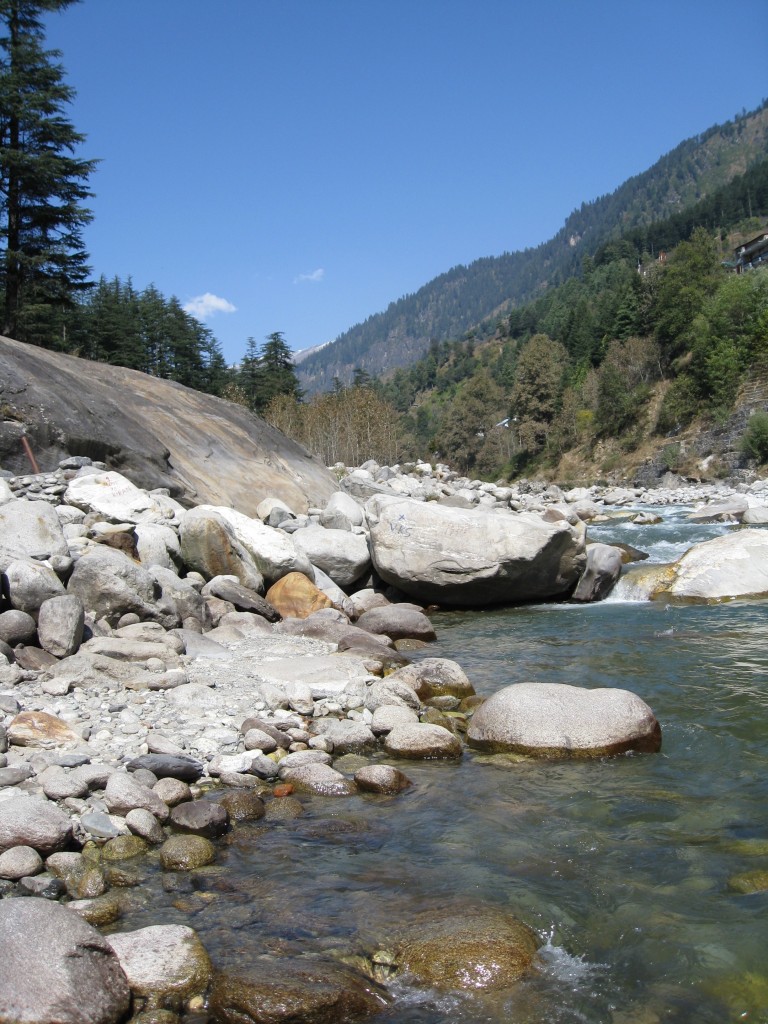
Rivers are considered as the life line of any country since they make water available for our domestic, industrial and recreational functions. The quality of river water signifies the health status and hygienic aspects of a particular region, but the quality of these life lines is continuously deteriorating due to discharge of sewage, garbage and industrial effluents into them. Water demand has increased manifolds due to the increased population, therefore tangible efforts to make water sources free from pollution is catching attention all across the globe. This paper attempts to highlight the trends in water quality change of River Beas, right from Manali to Larji in India. This is an important river in the state of Himachal Pradesh and caters to the need of water for Manali and Kullu townships, besides other surrounding rural areas. The recent trends in increased human activities have impacted the water quality of this important river to a great extent. The level of sediments and pollution is increasing day by day and so the quality of the water is deteriorating. The problem of degradation of Beas River seems to lie on so called ‘tourism and urbanization’ with complete disregard of the environmental, cultural and religious significance of the river. The Manali-Larji Beas river stretch is exposed to the flow of sewage, garbage and muck resulting from various project activities, thereby making it vulnerable to pollution. In addition, the influx of thousands of tourists to these towns also contributes to the pollution load by their recreational and other tourist related activities. Pollution of this river has ultimately affected the livelihood of the local population of this region who are dependent on tourism and fishery business. Hence, water quality monitoring was carried out for the said stretch between January, 2010 and January, 2012 at 15 various locations on a quarterly basis, right from the upstream of Manali town and up to downstream of Larji dam. Temperature, colour, odor, D.O. pH, BOD, TSS, TC and FC has been the parameters that were studied.

The study confirms presence of increased level of Total Coliform and Faecal Coliform during the studied months which is indicative of the fact that the river receives untreated or partially treated sewage. The above statements justify the impression that water of River Beas is not fit for drinking and even for bathing in the study area vis-a’-vis water quality standards set by Central Pollution Control Board. It is feared that if the present trend of pollution continues the livelihood of people depending on tourism may be endangered as the surrounding may lose its recreational importance. However, the State Pollution Control Board has issued orders to some hotels in Kullu-Manali that water and electricity supply will be cut leading to a closure on causing pollution in Beas River. The National Green Tribunal had made it clear that whosoever is found throwing or dumping any such material or effluents directly or indirectly into river Beas or its tributaries or even at its banks, will have to pay a sum of USD 1500 as compensation on the basis of “polluter pays” principle. This seems to be a good sign for the future of Beas River in general and the livelihood of people in particular who depend on the quality of water e.g., fishermen, horticulturists, agriculturists and adventure operators.

Read full research paper at http://fofj.org/index.php/journal/article/view/81

Uniform Resource Name Code urn:nbn:de:hebis:34-2014062645581

Photo credit:- D. J Singh

Summary 6 (Vol. 2 Nr. 1 – Summer 2014)

Summary of “Survey of Agricultural Practices and Alternatives to Pesticide Use to Conserve Water Resources in the Mojanda Watershed, Ecuador”

by Lukas Schütz

Agriculture in the Mojanda Watershed is facing rainfall reductions caused by climate change. Reductions of water availability in the Watershed are further strengthened by constant extension of the agricultural activities into the páramo ecosystem above 3000m a.s.l., with this ecosystem having immanently important functions in the local water balance. The application of pesticides threatens the quality of water and with less precipitation contaminations will further concentrate in the outflow. To analyze problems associated with agricultural practices in the area a questionnaire about agricultural practices (28) was conducted and fields (20) were surveyed for pests and diseases with a focus on potatoes (Solanum tuberosum L.) as a traditional crop with good marketability, tree tomatoes (Solanum betaceum Cav.) as a newly introduced cash crop and peas (Pisum sativum L.) as a legume with minor marketbility. Potatoes were infected to a low degree with Phytophthora infestans and according to the farmers the Andean potato weevil (Premnotrypes spec.) caused biggest losses. To combat the weevil the soils are disinfected with highly toxic Carbofuran (WHO Class IB) and fungicides are sprayed on a regular basis against late blight. Tree tomatoes showed symptoms of various fungal diseases. Most important was Fusarium solani causing the branches to rot and Anthracnosis (Colletotrichum gloeosporioides) causing the fruits to rot. Fungicide applications were correspondingly high. Peas were only minorly affected by Ascochyta blight (Mycosphaerella pinodes) and an unidentified root rot. Overall 19 active ingredients were applied of which fungicide Mancozeb (WHO class table 5) and insecticide Carbofuran (WHO Class IB) were applied the most. IPM methods like the economic threshold of each pest to time application of pesticides, the planting of resistant varieties and a proper crop rotation are promising to reduce pesticide use. For tree tomatoes regular cutting of branches infected with F. solani and regular collection and disposal of infected fruits with Anthracnosis are advised. For potato plastic barriers around the fields, as published by Kuschel et al. in 2009, limit the movement of the Andean potato weevil and prevent them from laying eggs at the base of the plant thus reducing infestation with the larvae in the tubers.

Local bioinsecticide “Biol”, composed of several herbs, is regarded as effective by the farmers and without harm to the environment. It is however used by only a few farmers. A decrease in soil fertility was identified by the farmers. Increasing the application of organic fertilizers promises reestablishment of soil fertility, increase in water holding capacity and reduction of erosion. Traditional adobe walls reduce erosion as well and are a habitat for wild bees, however they are not being constructed anymore. As the slope can be quite high, the construction of terraces is another strategy to increase the water retention. Resources and programs which allow for IPM principles and water management strategies to be implemented need to be made available to the farmers. The newly established extension service programs of the Ecuadorian Government, “Schools of the Agrarian Revolution” (ERA) are aimed at reaching smallholders and reducing poverty, and should focus on IPM methods for improving agricultural practices to solve local environmental problems. The here presented study seeks out alternatives and strategies to reduce pesticide use and manage water resources, which pose an opportunity to conserve the water resources of the region.

Read full research paper at http://fofj.org/index.php/journal/article/view/42

Uniform Resource Name Code urn:nbn:de:hebis:34-2014062645593

Photo credit:- FAO - ALC


Summary 7 (Vol. 2 Nr. 1 – Summer 2014)

Drinking water issues in Rural India: Need for stakeholders’ participation in Water resources management

by S. Lalitha and P. M Vetha Siromony

Water is a very essential livelihood for mankind. India is blessed with abundant natural resources especially water, which are used for various purposes predominantly agricultural followed by domestic and industrial purposes. India’s water resources significantly dependent on monsoon rains; but at the same time, the country has a big population, large area of irrigated agriculture land and considerable industrial operation which generates high demand for water. The United Nations suggest that each person needs 20-50 litres of water a day to ensure basic needs of drinking, cooking and cleaning. It was also endorsed by the Indian National Water Policy 2002, with the provision that adequate safe drinking water facilities should be provided to the entire population both in urban and in rural areas. About 1.42 million rural habitations in India are affected by chemical contamination.

The provision of clean drinking water has been given priority in the Constitution of India, in Article 47 conferring the duty of providing clean drinking water and improving public health standards to the State. Excessive dependence of ground water results in depletion of ground water, water contamination and water borne diseases. Thus, access to safe and reliable water supply is one of the serious concerns in rural water supply programme. Though government has taken certain serious steps in addressing the drinking water issues in rural areas, still there is a huge gap between demand and supply. The Draft National Water Policy 2012 also states that Water quality and quantity are interlinked and need to be managed in an integrated manner and with Stakeholder participation. Water Resources Management aims at optimizing the available natural water flows, including surface water and groundwater, to satisfy competing needs. The World Bank also emphasizes managing water resources, strengthening institutions, identifying and implementing measures of improving water governance and increasing the efficiency of water use.

In rural India water resources management is only possible with stakeholders’ participation. Panchayat Raj Institutions (PRIs) are the local governing authorities who play a vital role in enhancing community participation at village levels. Therefore stakeholders’ participation is viewed important in managing water resources at different levels and range. A research study conducted by the first author on “Water Governance Practices in Thiruvallur District Tamil Nadu” reveals that the stakeholders need to be given information, education and communication (IEC) and training on water resources management. The local governing authorities and community based organizations play a pivotal role in service delivery and rejuvenation of the water resources. The observation of world water day would create awareness among the community on water scarcity and a need for water management. Government must change its role from service provider to the facilitator to involve stakeholders’ participation. The community needs to be empowered through capacity building training programmes by trained personnel’s like community development specialists to understand the water related issues and act collectively towards water resources management.

Read full research paper at http://fofj.org/index.php/journal/article/view/91

Uniform Resource Name Code urn:nbn:de:hebis:34-2014062645601

Photo credit:- Daniel Bachhuber

Summary 8 (Vol. 2 Nr. 1 – Summer 2014)

Wastewater usage in urban and peri-urban agricultural production systems: scenarios from India

by Prem Jose Vazhacharickal and Sumita Gupta Gangopadhyay

The role urban and peri-urban agriculture (UPA) plays in reducing urban poverty and ensuring environmental sustainability was recognized by the Millennium Development Goals (MGDs). India is the world’s largest democratic nation with a population of 1.2 billion. The rapid urbanization and high proportion of people below the poverty line along with higher migration to urban areas make India vulnerable to food crisis and urbanization of poverty. Ensuring jobs and food security among urban poor is a major challenge in India. The role of UPA can be well explained and understood in this context. This paper focuses on the current situation of UPA production in India with special attention to wastewater irrigation. This question is being posed about the various human health risks from wastewater irrigation which are faced by farmers and labourers, and, secondly by consumers. The possible health hazards involve microbial pathogens as well as helminth (intestinal parasites). Based on primary and secondary data, this paper attempts to confirm that UPA is one of the best options to address increasing urban food demand. Ensuring jobs and food security among the urban poor is a major challenge in underdeveloped and developing countries. Urban and peri-urban agriculture is one of the best options to address increasing urban food demand and can complement rural supply chains and reduce ecological foot prints. The growing water demands and release of untreated wastewater pose a big challenge to environmental sustainability. Irrigation with wastewater is a reality and common practice in India. However, the possible health risks associated with them should receive attention from the policy makers and stakeholders. An integrated approach with suitable risk reduction mechanism would improve the efficiency and safety of these UPA production systems which can be called “Good practice urban and peri‑urban agriculture”.

Read full research paper at http://fofj.org/index.php/journal/article/view/97

Uniform Resource Name Code urn:nbn:de:hebis:34-2014062645610

Photo credit:- Prem Jose Vazhacharickal


Scholarship possibility in Transboundary Water Management (Water Governance)

The Hydro Nation PhD Scholars Programme of The Scottish Government is now open. It offers 4 year scholarships to support research feeding into the Scottish Government agenda regarding the themes: Valuing Water, Water Governance, Water and Energy and Catchment Management. The annual stipend for these studentships will be £14,850 (running for 4 years), with up to £15,000 per year for University fees.
If you know of any good candidate interested in pursuing a PhD in Transboundary Water Management (Water Governance), with special emphasis in (but not only) Transboundary Aquifers Governance feel free to put her/him in touch with me. Potentially the candidate working with me could also be working with colleagues based in Scotland such as Prof. Robert Kalin, Professor of Environmental Engineering for Sustainability at the University of Strathclyde and Dr Alistair Rieu Clarke, Reader in International Law at the IHE-HELP Centre for Water Law, Policy and Science at the University of Dundee..
You can find further information about my research interests and past work, as well as that of my colleagues at the following pages:

http://www.strath.ac.uk/humanities/courses/law/staff/sindicofrancescodr/ and http://works.bepress.com/fsindico/
Robert Kalin http://www.strath.ac.uk/civeng/staff/robertkalin/
Alistair Rieu Clarke http://www.dundee.ac.uk/water/staff/staff/alistairrieu-clarke/

The deadline for applications is 28th February 2013.

Further information on the scheme including application forms can be found at http://www.crew.ac.uk/funding/hydro-nation-phd-scholars-programme-2013.